
Why haven’t you learned Norwegian? – A true story
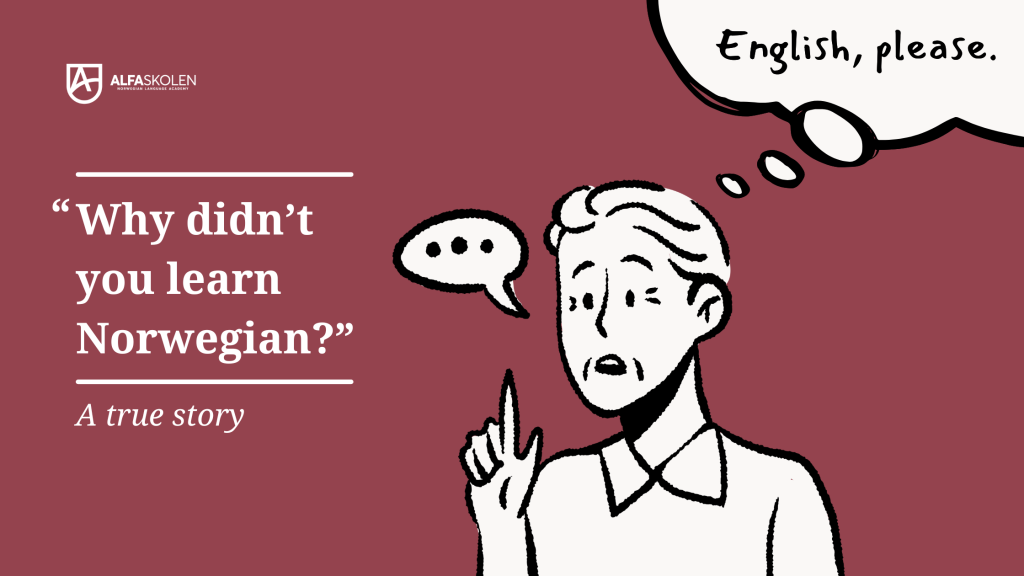
A few years ago, I met a man who had been living in Norway for almost eight years.
He had a good job. A nice apartment. A car.
His children spoke fluent Norwegian.
He spoke English.

Waiting to learn Norwegian felt easy.
When you first move here, there is always something more urgent to do.
You need to find somewhere to live. Start work. Open a bank account. Understand how everything works.
Norwegian can wait.
Then work gets busy. The children start school. Summer comes. Christmas comes. Another year passes.
And because many people in Norway speak English, learning Norwegian does not always feel urgent.
Until one day, it does.
For the man I met, that moment came at home.
His daughter came back from school and started telling him about her day. She was excited.
She had made new friends. Something had happened, and she wanted to share it with him.

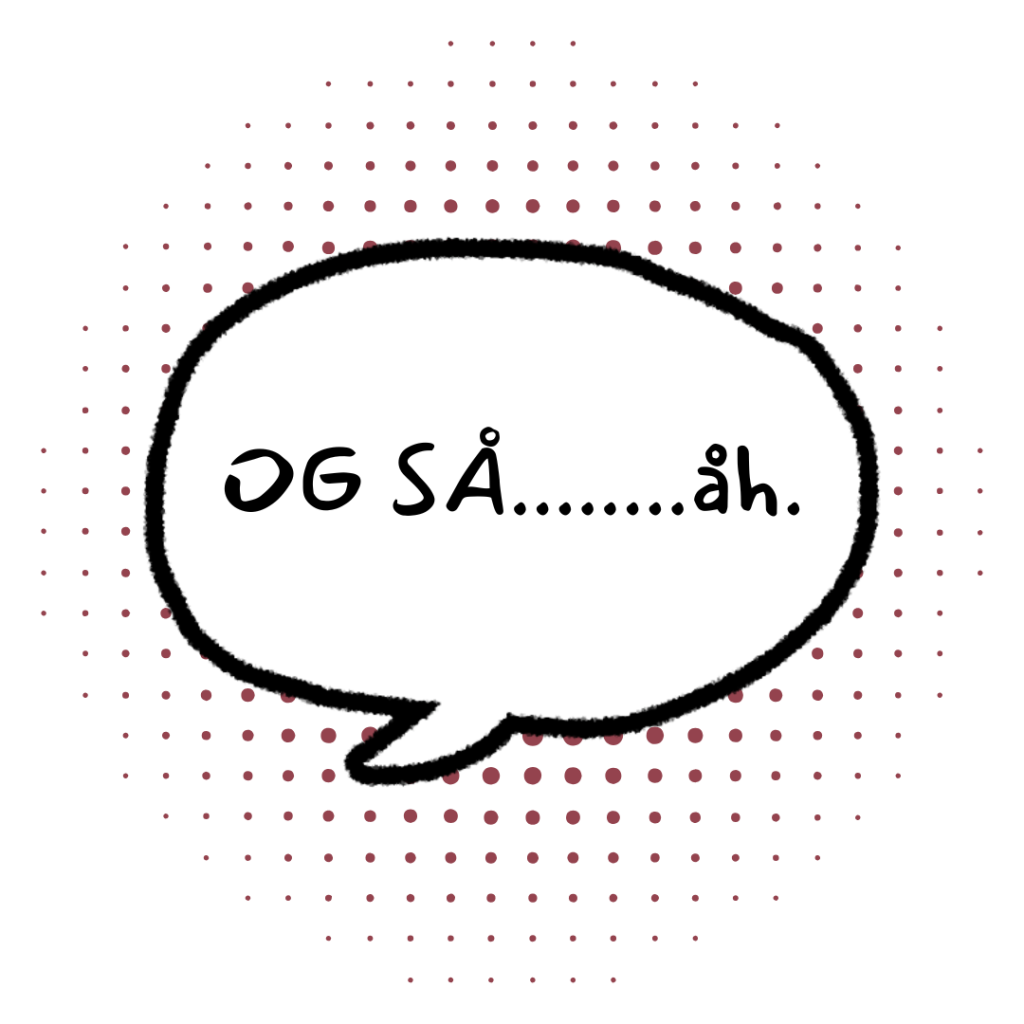
Then she stopped.
She remembered that he would not understand the Norwegian parts of the story.
So she switched to English.
He smiled. She had done nothing wrong. But later, when we talked about it, he told me that something changed in that moment.
He realised that he had built a life in Norway without really becoming a part of it.
He had a job. A home. A family. A daily routine, but Norwegian was still happening around him.
At work. At school. In messages from the municipality. In small conversations with neighbours. In jokes, greetings and everyday moments that passed too quickly.


He was not outside Norway. But he was not fully inside the conversation either.
Then he said:
“I wasn’t living outside Norwegian society. I was living next to it.”
He had a good job. A nice apartment. A car.
His children spoke fluent Norwegian.
He spoke English.
Waiting to learn Norwegian felt easy.
When you first move here, there is always something more urgent to do.
You need to find somewhere to live. Start work. Open a bank account. Understand how everything works.
Norwegian can wait.
Then work gets busy. The children start school. Summer comes. Christmas comes. Another year passes.
And because many people in Norway speak English, learning Norwegian does not always feel urgent.
Until one day, it does.
For the man I met, that moment came at home.
His daughter came back from school and started telling him about her day. She was excited. She had made new friends. Something had happened, and she wanted to share it with him.
Then she stopped.
She remembered that he would not understand the Norwegian parts of the story.
So she switched to English.
He smiled. She had done nothing wrong. But later, when we talked about it, he told me that something changed in that moment.
He realised that he had built a life in Norway without really becoming a part of it.
He had a job. A home. A family. A daily routine, but Norwegian was still happening around him.
At work. At school. In messages from the municipality. In small conversations with neighbours. In jokes, greetings and everyday moments that passed too quickly.
He was not outside Norway. But he was not fully inside the conversation either.
Then he said:
“I wasn’t living outside Norwegian society. I was living next to it.”
That sentence stayed with me.
Because we have heard different versions of the same story many times.
Different people. Different countries. Different jobs. Different reasons. But often the same ending: “I wish I had started earlier.”
Most people do not regret learning Norwegian. They regret waiting.
And waiting can feel reasonable. You may have a job, a family, studies, routines and responsibilities.
You may manage well enough in English. You may not need Norwegian every day.
But language is not only about managing.
It is about joining conversations, and understanding small moments.
Answering when someone says “Hvordan går det?“
Feeling more at home in everyday life.
That is one of the reasons we created Alfaskolen’s Viking Challenge.
Not because five weeks will make you fluent. It will not.
But five weeks can be enough to stop waiting. Enough to build a rhythm. Enough to practise useful everyday Norwegian. Enough to take your first real step into the language.
The Viking Challenge is designed for adults with busy lives.
Frequent enough to make progress. Structured enough to keep you going. And still possible to combine with work, family and everyday life.
Maybe you have lived in Norway for two months. Maybe two years. Maybe ten.
It does not really matter.
The best time to start learning Norwegian was when you arrived. The second-best time is now.
Ready to stop waiting? Read more about Alfaskolen’s Viking Challenge – Speak Norwegian in 5 Weeks, and see available dates.
Tags: